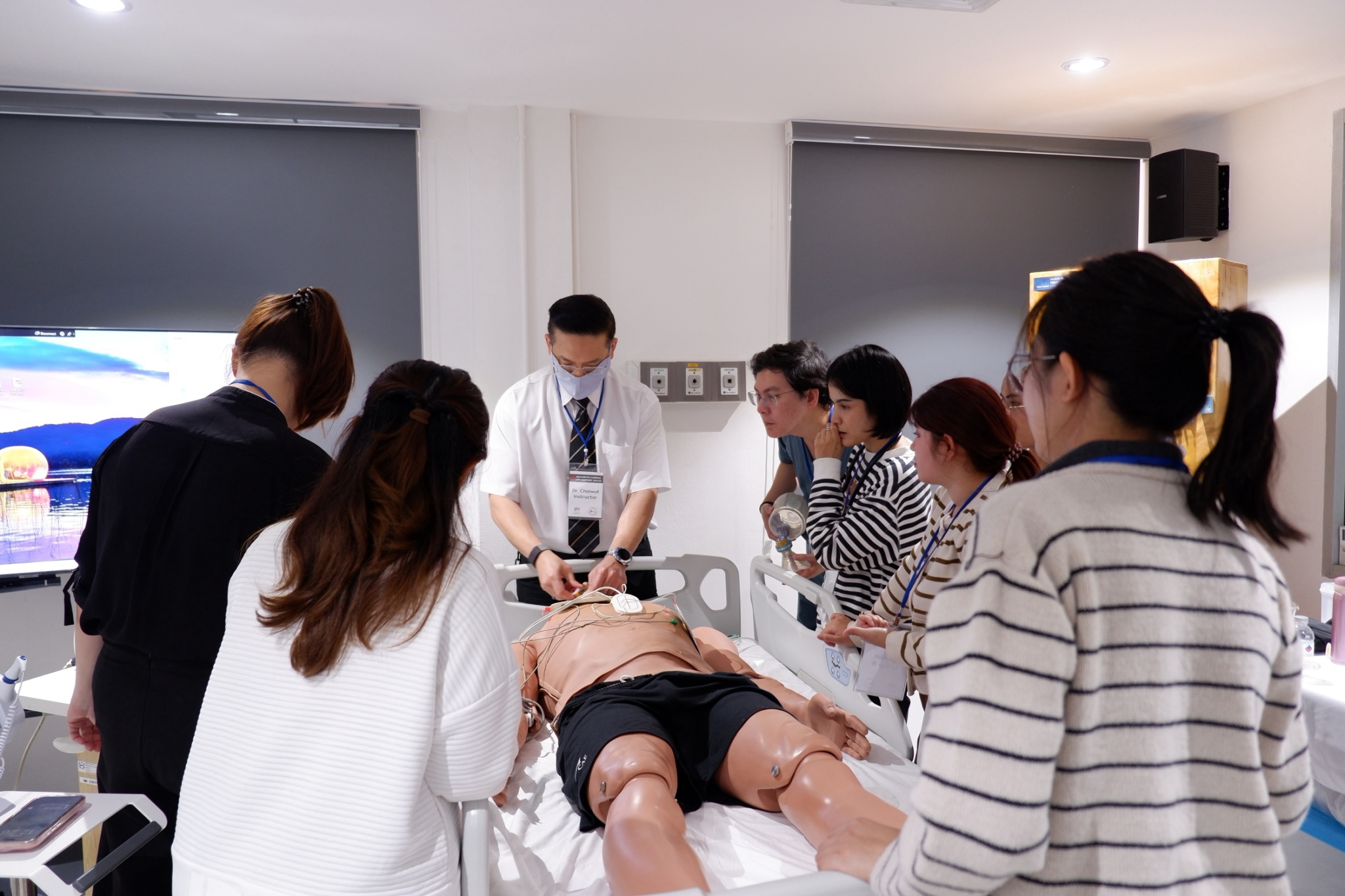
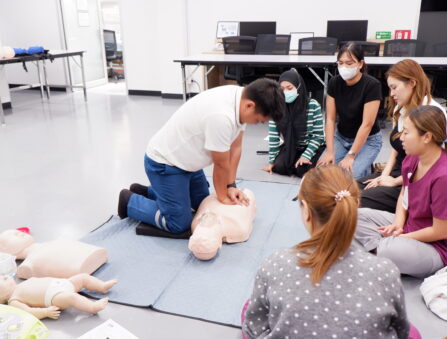
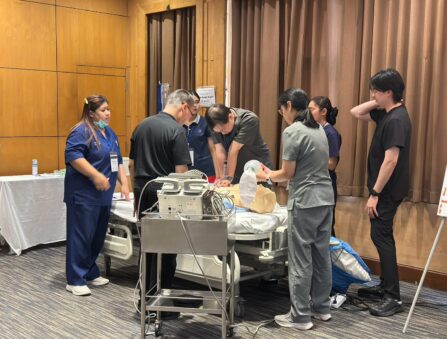
Advanced Cardiovascular Life Support (ACLS) Training (AHA Certification)

20-21 August 2026
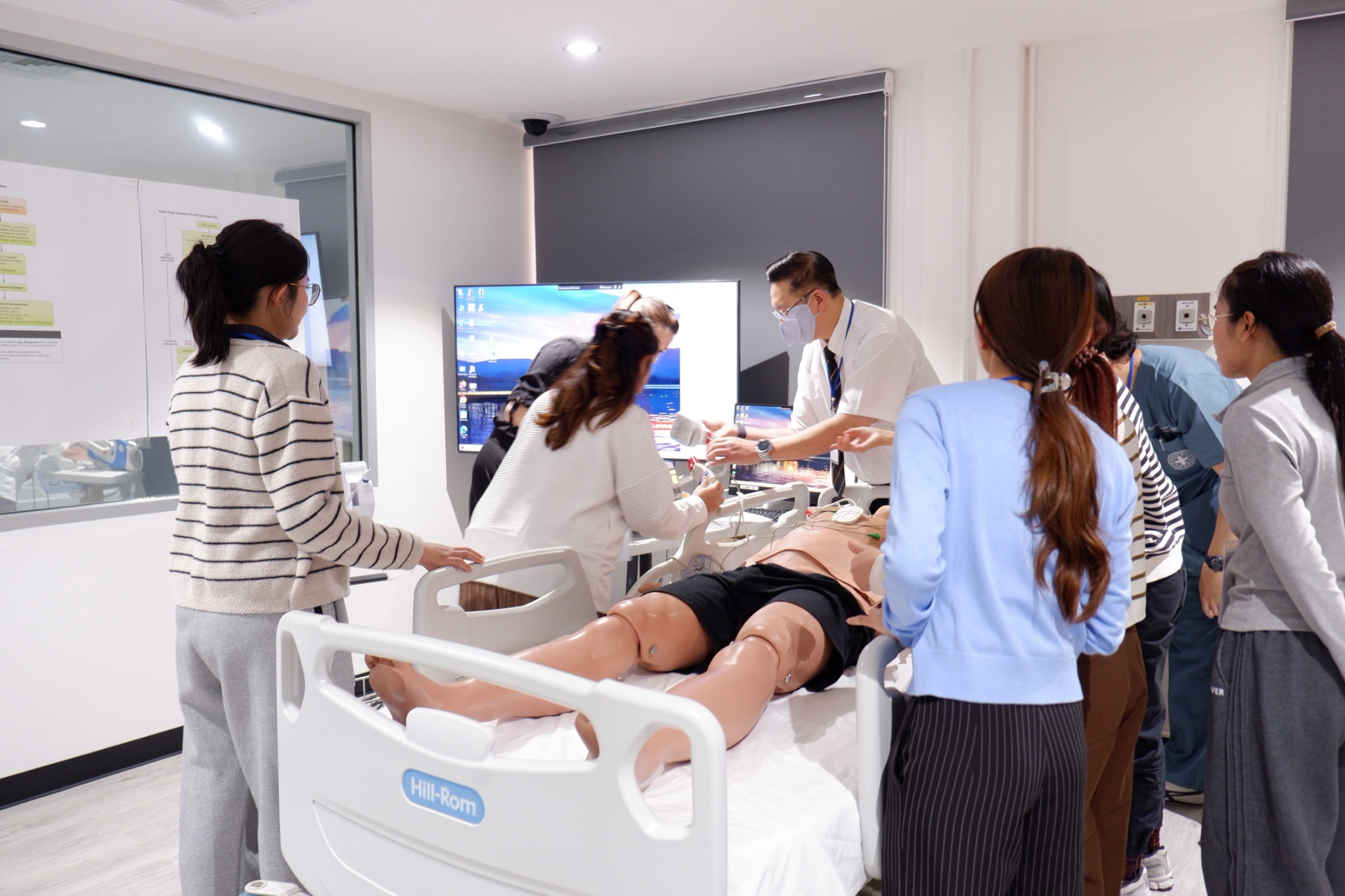
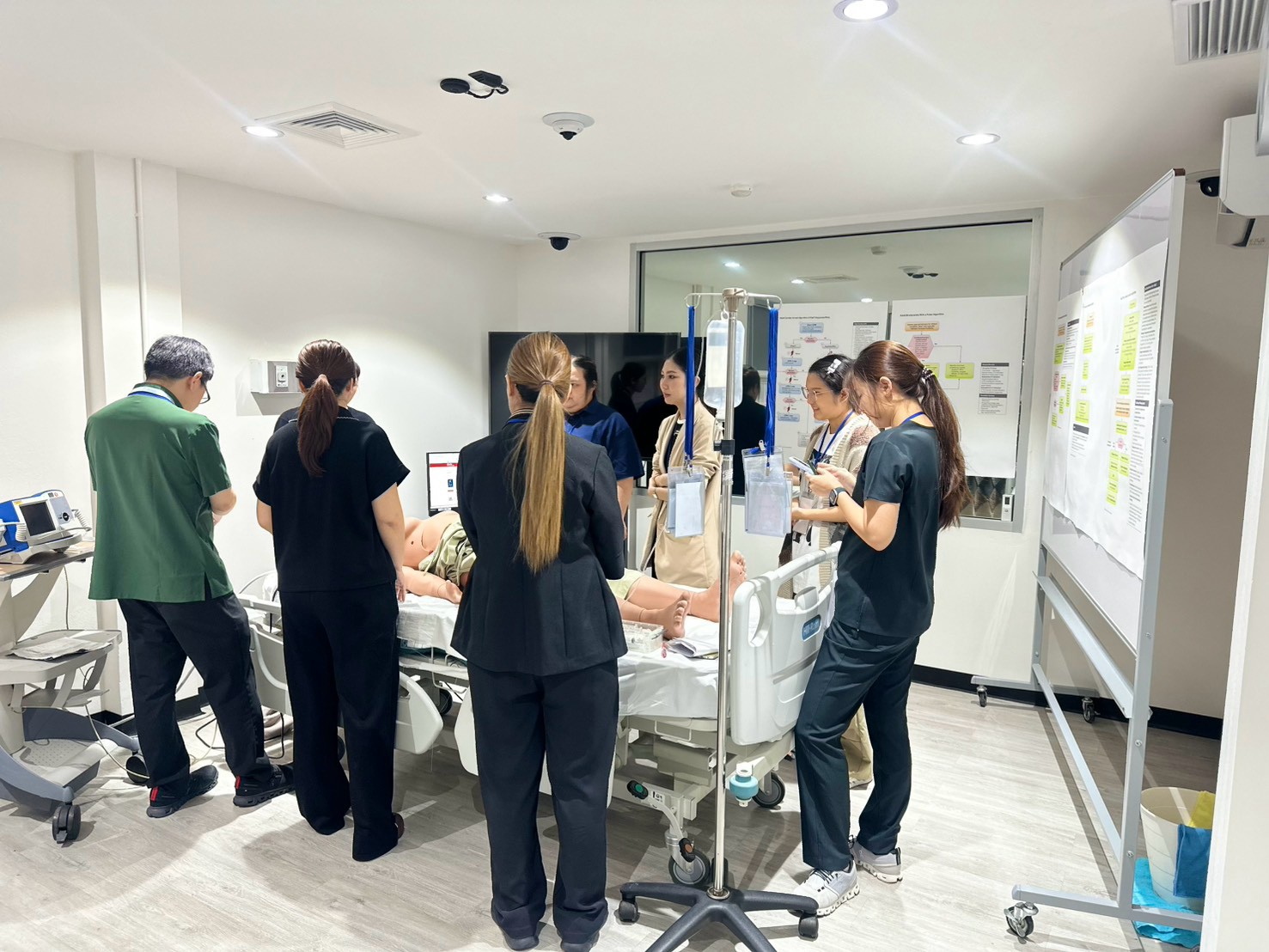
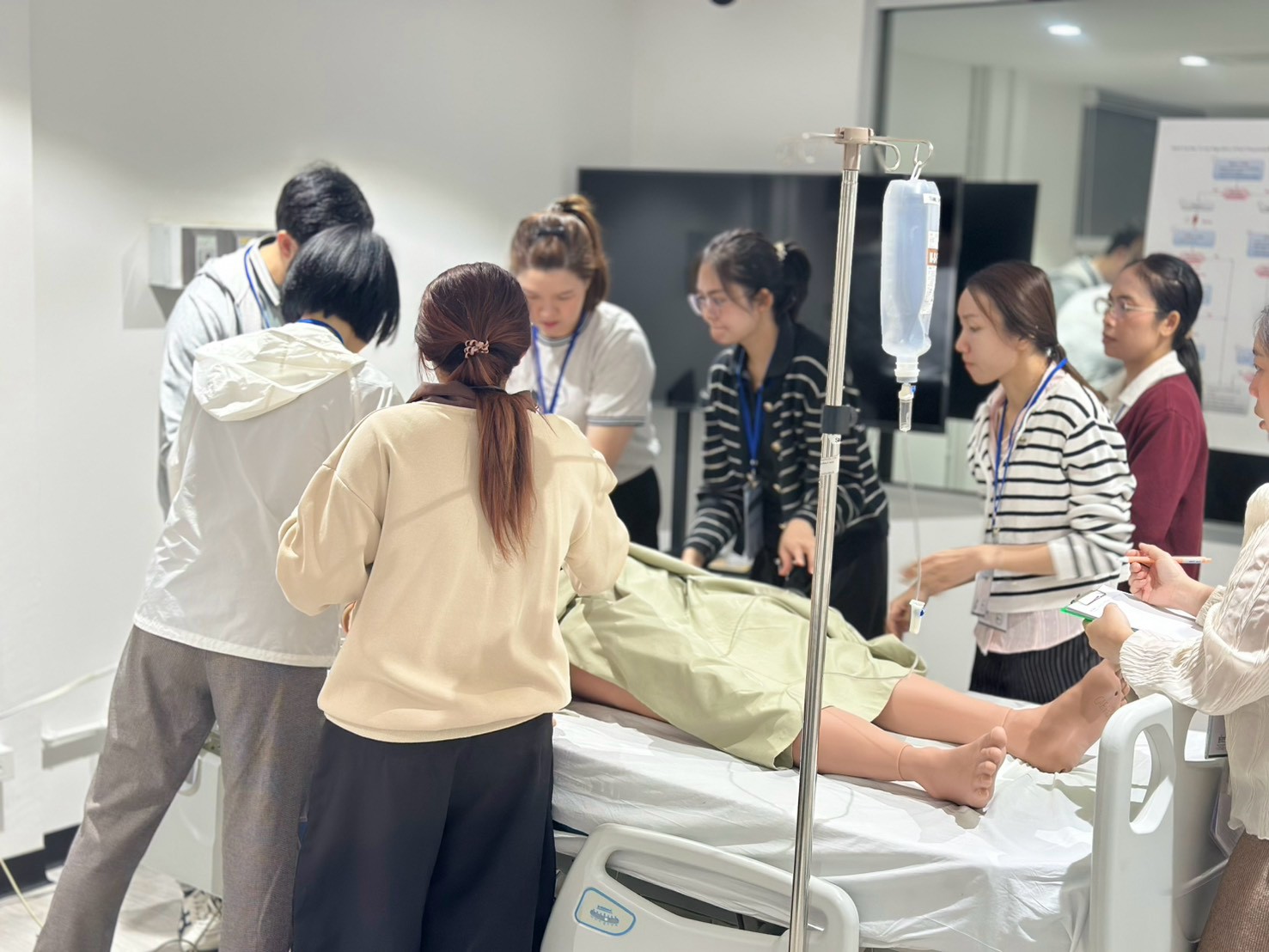
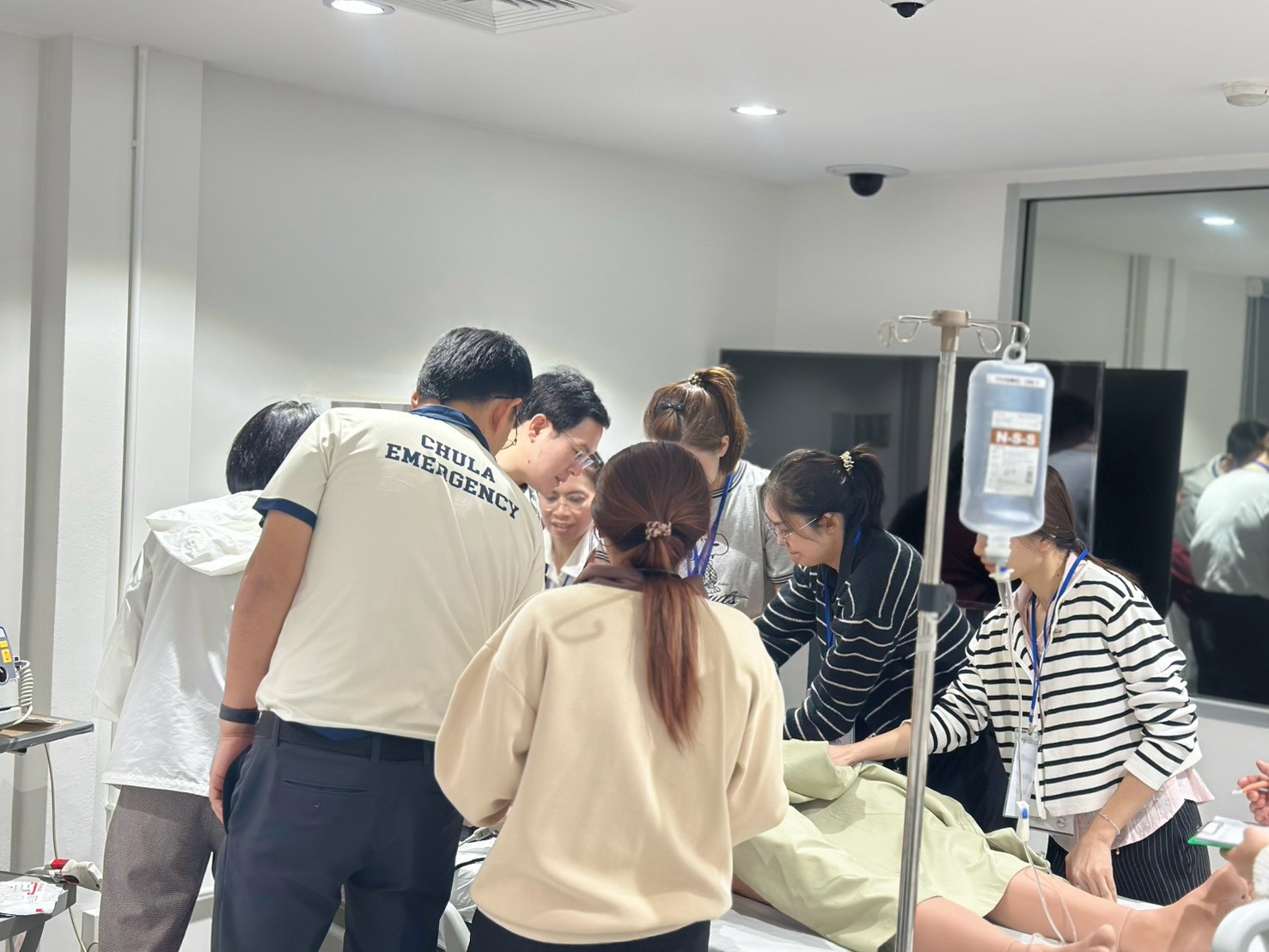
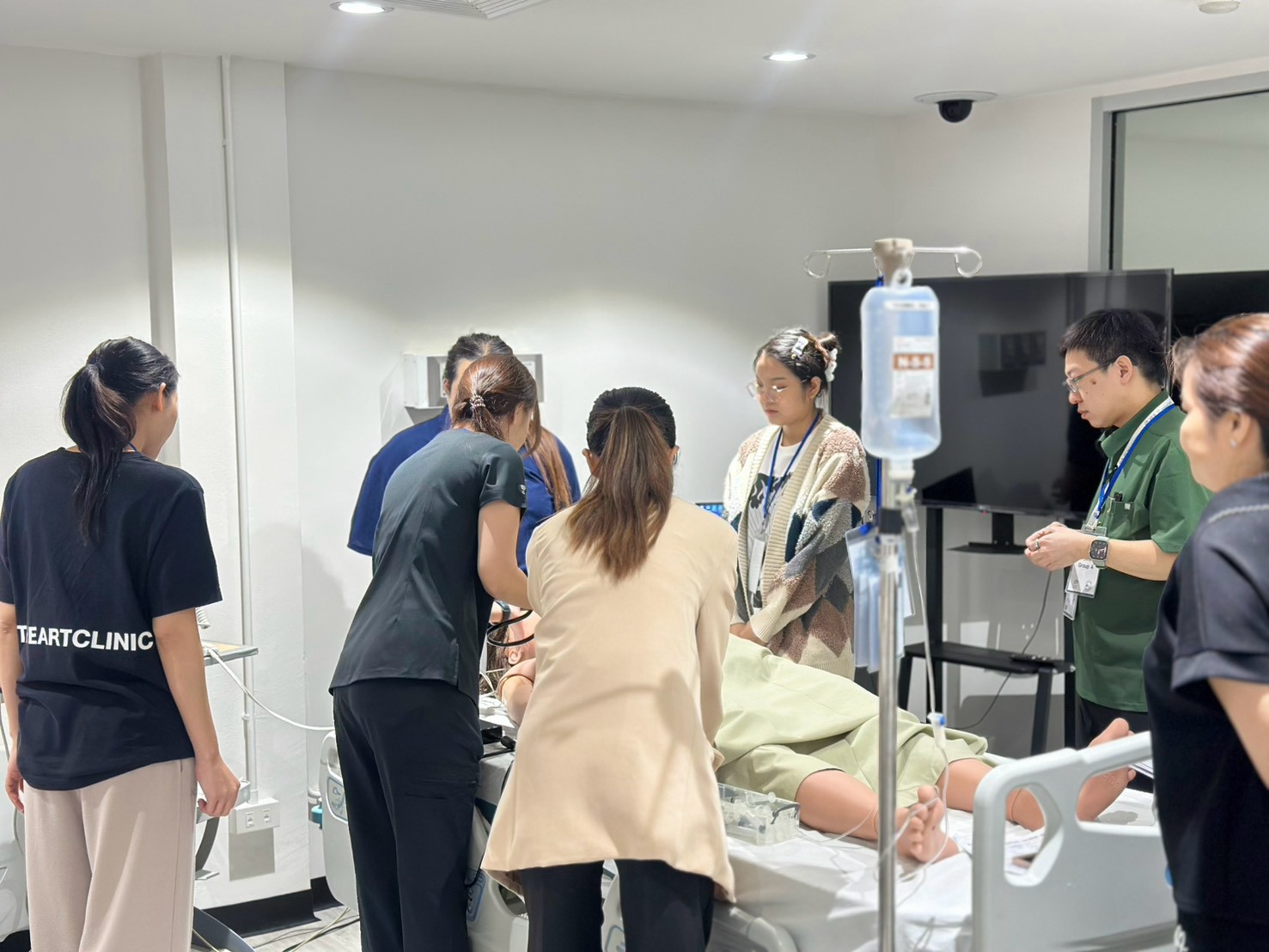
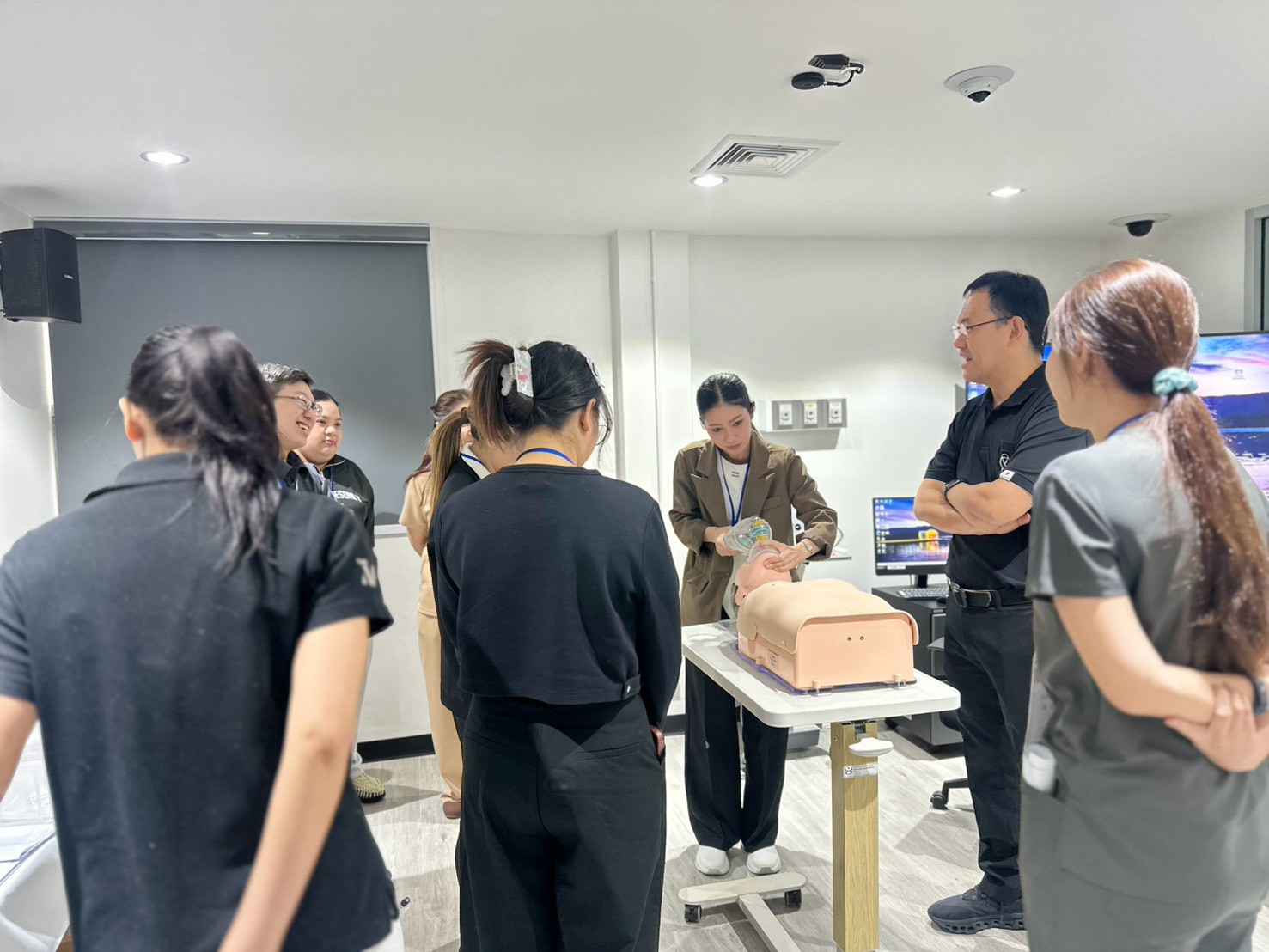
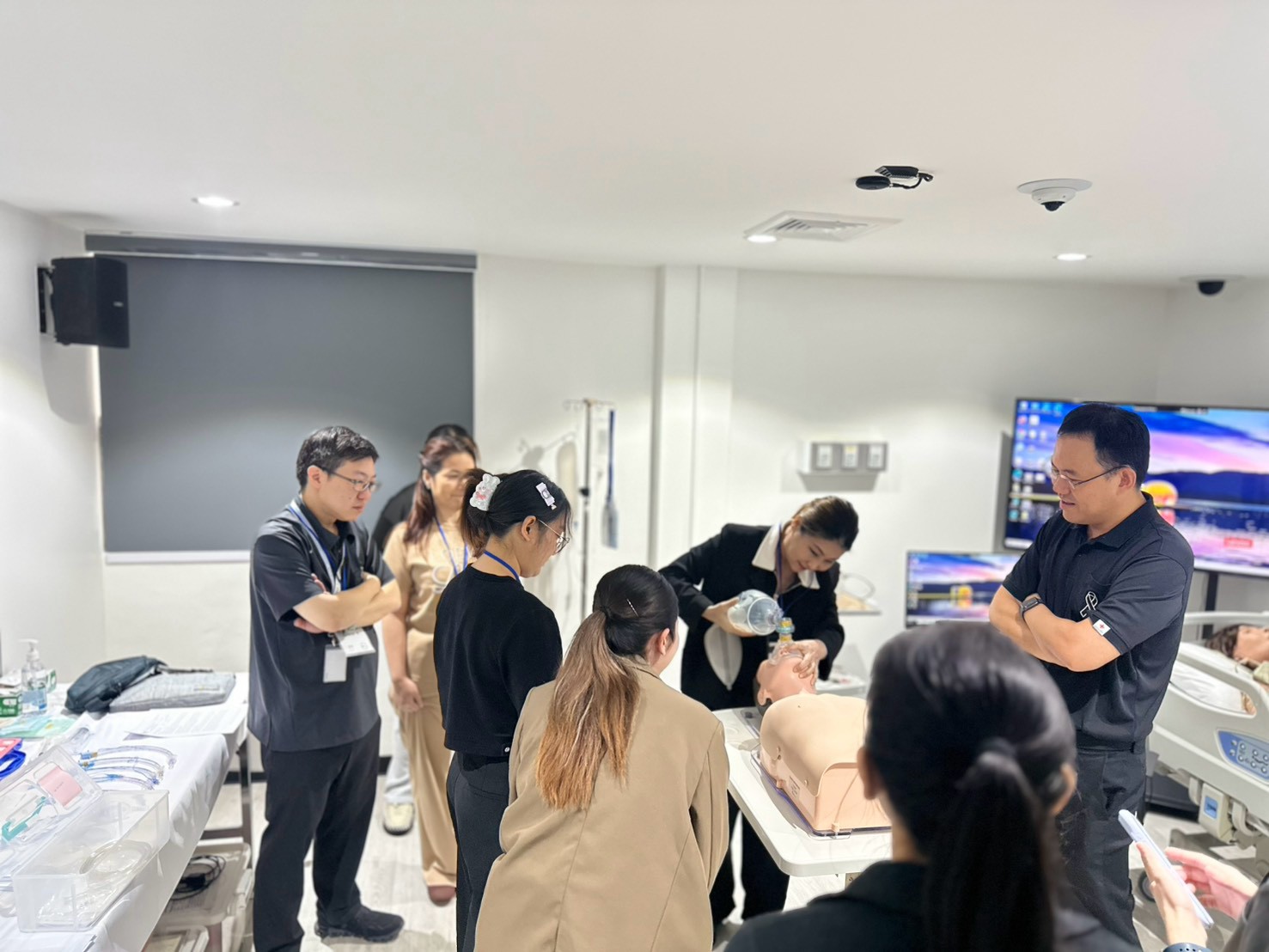
Advanced Cardiovascular Life Support (ACLS) Training was held on August 20th – 21st , 2026, for physician and registered nurses from MedPark, Vimut and The Art Plastic Surgery Hospital. The course focused on enhancing participants’ ability to assess and diagnose cardiac arrest and arrhythmias, as well as correctly use resuscitation equipment and related medications. The program also strengthened communication and teamwork skills through a blended learning approach, including online modules, classroom theory, and hands-on simulation-based practice. Participants gained comprehensive, high-quality learning experiences aligned with international standards.
Related News

13 February 2026

Hand-on Experience in Simulation Training & Basic Life Support Program

Atmosphere of the course Hand-on Experience in simulation training & Basic Life Support Program for new employees of MedPark Hospital with practice basic life-support on February 13th, 2026. This ensured that participants gained internationally standardized, up-to-date knowledge and skills that could be applied effectively in emergency situations.

20 March 2026

Hand-on Experience in Simulation Training & Basic Life Support Program

Atmosphere of the course Hand-on Experience in simulation training & Basic Life Support Program for new employees of MedPark Hospital with practice basic life-support on March 20th, 2026. This ensured that participants gained internationally standardized, up-to-date knowledge and skills that could be applied effectively in emergency situations.

13-14 August 2026

Advanced Cardiovascular Life Support (ACLS) Renewal Course – TRC Card

The ACLS Course training event – TRC Card, a standardized program of the Thai Resuscitation Council (TRC), was conducted on 13 – 14 August 2026 for physicians and registered nurses from Mahachai Hospital. The training provided participants with hands-on experience in assessing and managing cardiac arrest, recognizing abnormal cardiac rhythms, and interpreting electrocardiographic abnormalities. Participants […]